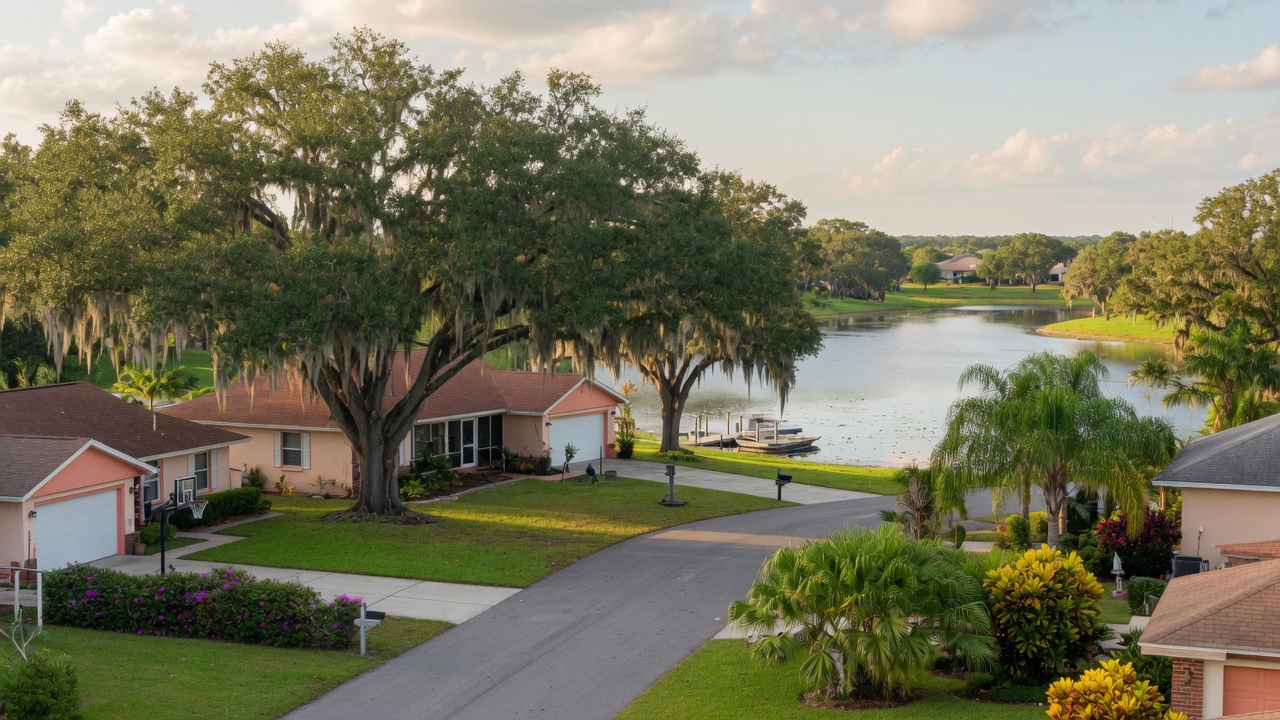
Orlando (MCO)
MCO combines Florida's no-state-income-tax advantage with a growing Central Florida market. Diane provides strategic guidance to help you evaluate whether this move fits.

Why Diane understands this decision
I share daily life with an airline captain. I understand the pilot world from the inside: the schedule, the seniority math, the short-call premium, the quality-of-life trade-offs that don't show up in a spreadsheet.
I bring structured, analytical thinking to the move-vs.-commute decision. Seniority position, family needs, financial picture, quality of life. They all factor in, and none of them have a single right answer.
Orlando combines no state income tax with moderate housing costs and a growing base, but flood zone awareness and Florida insurance realities deserve honest attention.
Base Overview
MCO: The Central Florida base
Orlando International Airport (MCO) is a 737 domicile with a growing operational footprint. The airport recently expanded with a new South Terminal complex, and a significant maintenance base here, signaling long-term commitment to the city.
Florida has no state income tax, putting MCO in the same financial category as Houston and Las Vegas. Housing costs vary significantly by neighborhood. Winter Park and Windermere command premium prices, while Lake Nona and Oviedo offer more accessible entry points.
Orlando's growth has been steady for over a decade, and infrastructure has kept pace. The 417 and 429 expressways provide efficient cross-town routes. Central Florida's lifestyle is the draw: year-round warmth, proximity to both coasts, and a family-friendly culture that extends well beyond the theme parks.
The Commuting Reality
What commuting into MCO actually looks like
MCO sits southeast of downtown Orlando, and the expressway system makes most commutes straightforward. Lake Nona is the closest major community, with a 15-to-20-minute drive via the SR-417 corridor. Winter Park and Dr. Phillips run 25 to 35 minutes depending on time of day and route selection.
Orlando traffic is manageable compared to LA or Newark, but the I-4 corridor through downtown is a known pain point. Pilot report times typically avoid the worst of it, but route selection matters. The 429 expressway and the 417 provide alternatives that bypass the I-4 core.
Some pilots commute by air from other Florida cities or from out of state. The non-rev availability on MCO routes is generally good, and Florida's central location makes air commuting viable from multiple directions. But living in base eliminates that uncertainty entirely.
Neighborhoods
Where pilots live near MCO
Lake Nona
The shortest commute to MCO. Lake Nona is a master-planned community in southeast Orlando with newer construction, medical city employment centers, and a genuine community identity. The commute via SR-417 is one of the most direct in the metro. Schools are improving as the community matures.
Winter Park & Dr. Phillips
Orlando's most established communities. Winter Park is known for tree-lined streets, Rollins College, and a walkable Park Avenue downtown. Dr. Phillips, just south, is popular for its proximity to Restaurant Row and employment centers. Both offer strong Orange County schools and genuine character.
Windermere
Premium lakefront living. Windermere is the most exclusive community in the Orlando metro, known for lakefront estates, privacy, and a quiet atmosphere that appeals to senior captains. The Butler Chain of Lakes provides a setting unmatched in Central Florida.
Oviedo (Seminole County)
Schools-first choice at a lower price point. Oviedo in Seminole County offers some of the best public schools in the Orlando metro, a suburban-small-town feel, and more accessible pricing than Winter Park or Windermere. The commute to MCO runs via the 417 or 434, and Seminole County's higher elevation means fewer flood zone concerns than Orange County lakefront areas.
Base-specific considerations for MCO
Flood zones matter here
Central Florida is flat, lake-rich, and prone to inland flooding during severe storms. Hurricane Ian demonstrated that even inland areas can flood badly. Check FEMA flood maps for every property. Flood insurance is a real cost factor that varies by location.
Hurricane season is part of the deal
June through November is hurricane season. Central Florida is inland enough to avoid direct coastal impact, but storms can still shut down the airport and disrupt power. Homeowner insurance costs in Florida have risen sharply in recent years.
Insurance costs are rising
Florida homeowner insurance rates have increased significantly in recent years due to litigation costs and reinsurance challenges. Budget for insurance premiums that may be higher than you expect based on other states.
No state income tax is the advantage
Florida's zero state income tax makes MCO financially comparable to Houston and Las Vegas. Combined with moderate housing costs, your paycheck goes further here than at any California, Illinois, or New Jersey base.
Your Local Expert
Diane guides the strategy for your move.
Central Florida real estate has critical nuances: flood zone designations that vary street by street, homeowner insurance costs that differ dramatically by location, and the distinction between Orange County and Seminole County schools that matters for families.
Diane's role is the strategic analysis: Does MCO make sense for your career and finances? What does the no-state-income-tax advantage mean for your bottom line? Which community fits your family's priorities and flood risk tolerance? The strategic advisory process is the same at every base. Diane brings the analysis and decision framework, while local market details are handled by professionals who know each area.
Moving to Orlando?
The right decision about the move comes first. Then the right agent for the local market. Diane provides strategic guidance for pilots relocating to this base.